

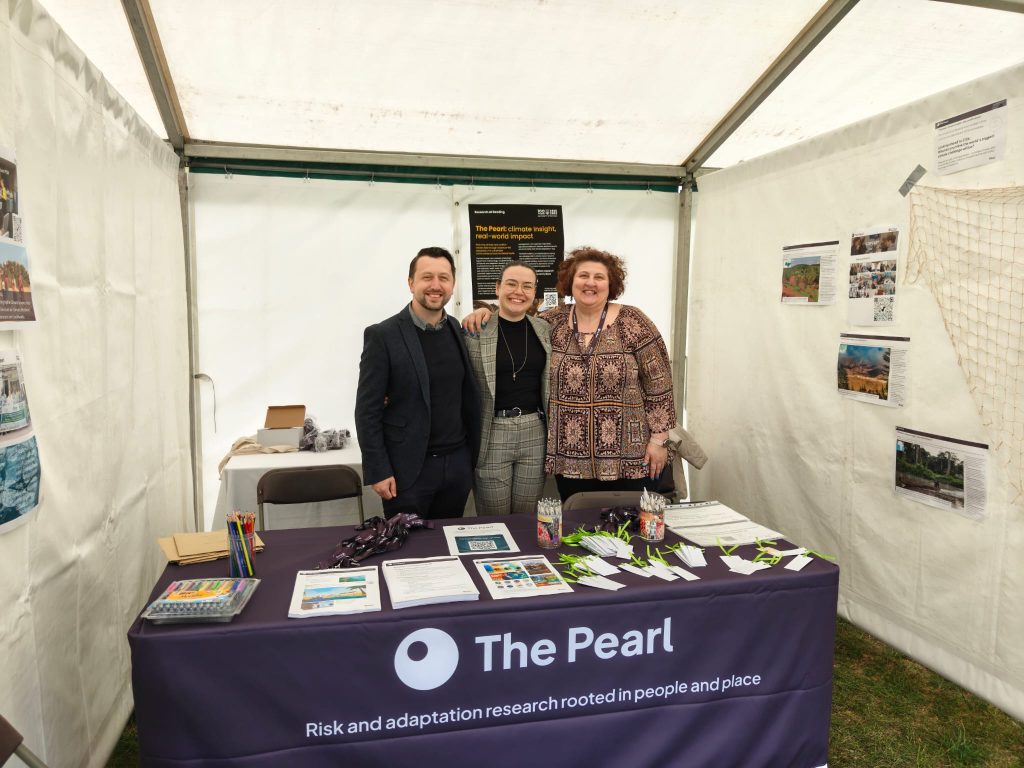
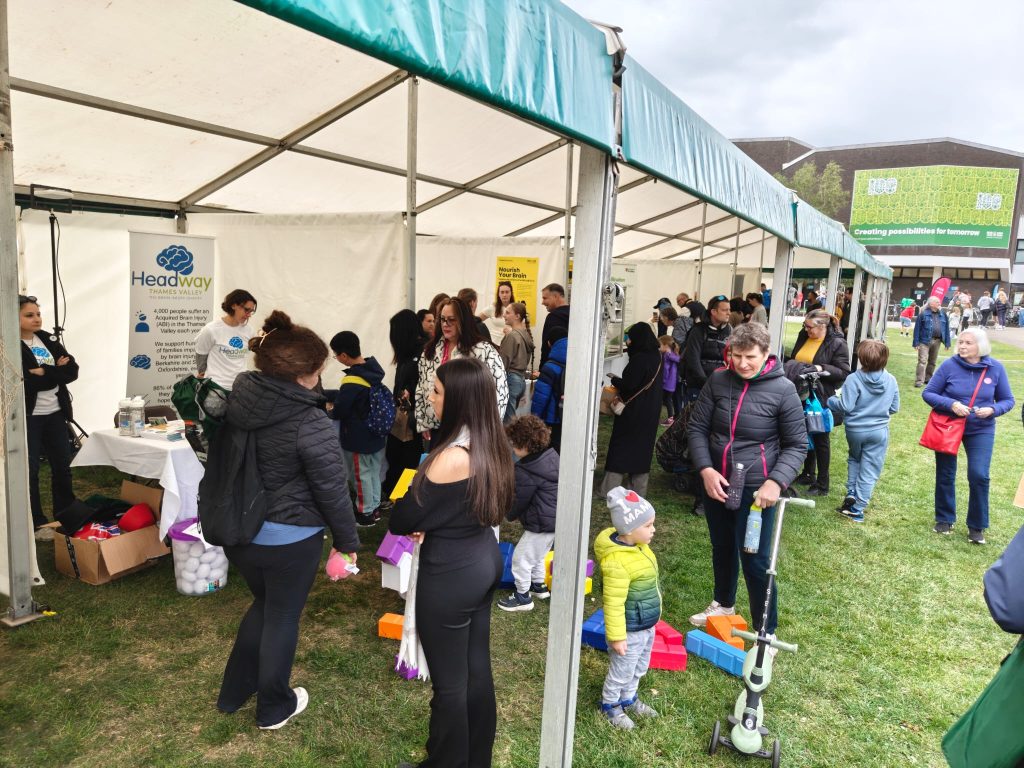
On Saturday 16 May 2026, the University of Reading welcomed the local community onto campus for its Centenary Community Festival, a day that brought together curiosity, conversation, and celebration. Among the many activities taking place, The Pearl hosted a stall that quickly became a space not just for sharing information, but for genuine exchange.
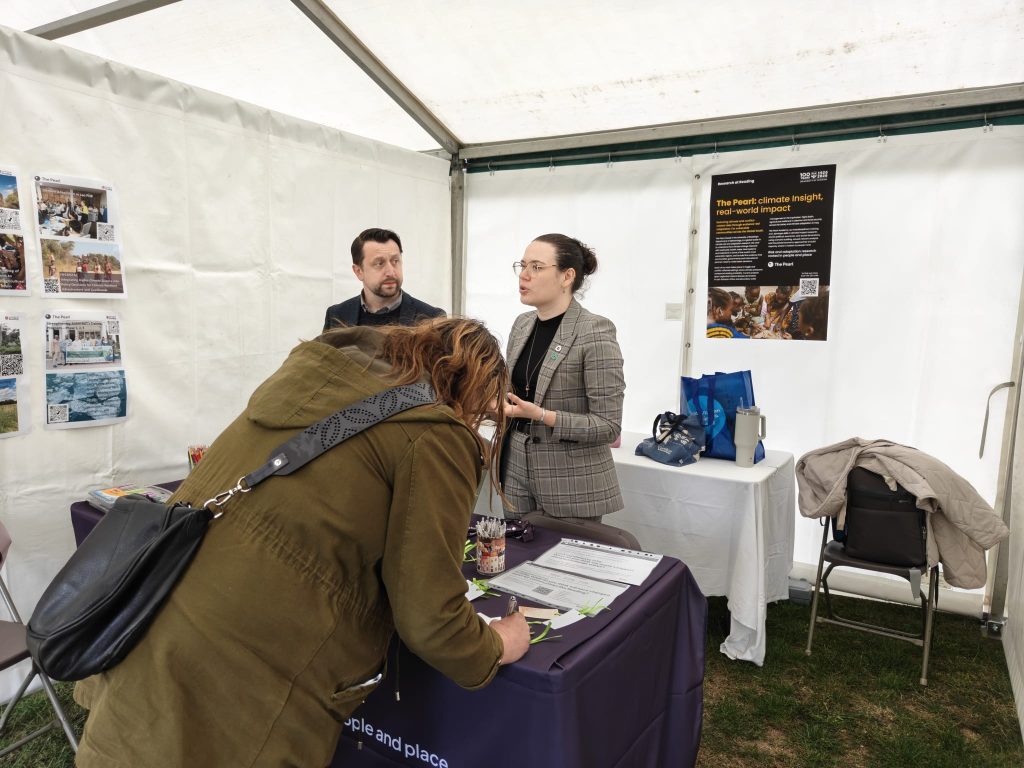 Our stall, hosted by The Pearl in the Department of Meteorology, was set up to be welcoming and informal. The aim was simple: to spark conversations about climate change in a way that felt accessible to everyone. The Pearl’s work often focuses on supporting communities facing climate risks around the world, but the festival gave us a valuable opportunity to bring those conversations closer to home and hear directly from our own local community.
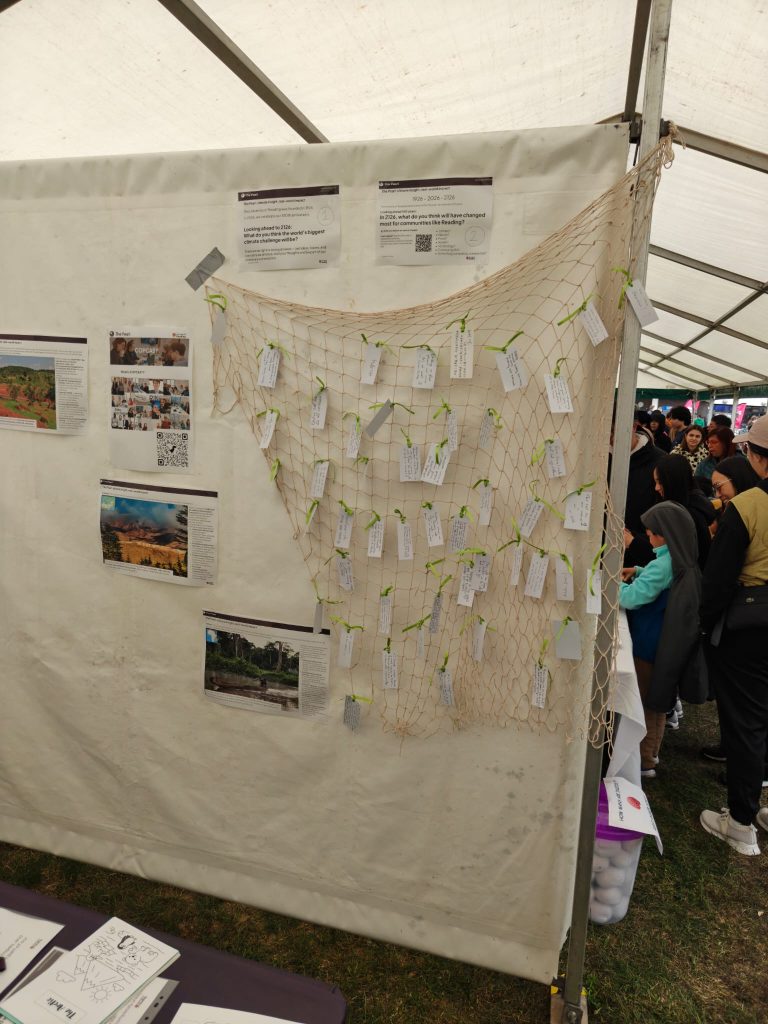
From the start, the stall was designed to be welcoming and interactive. Younger visitors were drawn in by creative drawing activities, while adults engaged with a climate quiz that sparked thoughtful, and often lively, discussion. These small entry points opened the door to deeper conversations about climate, uncertainty, and what the future might hold.
At the centre of the activity were two simple but powerful questions:
- What will be the world’s biggest climate challenge in 2126?
- How might communities like Reading change over the next 100 years?
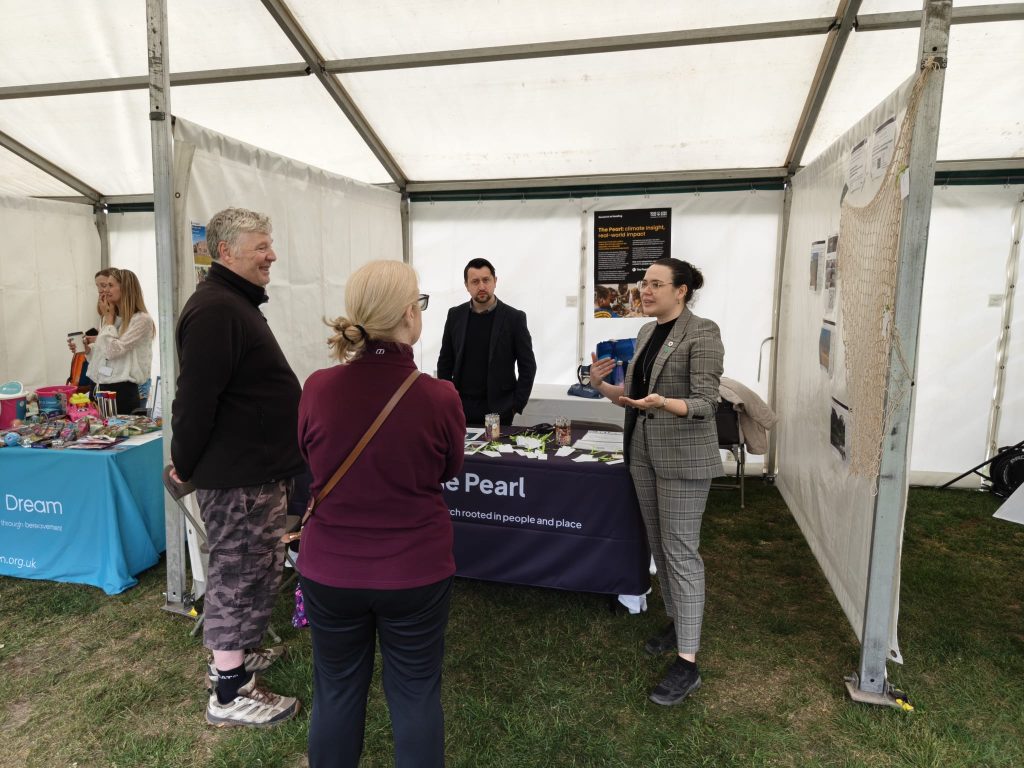 The responses we received were striking in both their diversity and depth. Some participants imagined hopeful futures and cities filled with green energy, communal gardens, and innovative ways of reusing resources. Others expressed concern about water scarcity, food shortages, and the loss of biodiversity, highlighting fears about “no bees, no pollination, no plants” and landscapes becoming “dry, dusty, and barren.”
A recurring theme across many responses was water. Several people pointed to the challenge of ensuring access to clean, reliable water, while others imagined a future shaped by flooding, rising rivers, and changing coastlines. The idea of Reading itself becoming more flood-prone, or even taking on characteristics of very different climates, appeared more than once.
 There were also reflections on how society might evolve alongside environmental change. Some anticipated increased reliance on technology and automation, with “robots” and artificial intelligence becoming part of everyday life. Others worried this could come at the cost of social connection, imagining communities that are “less social due to high tech” or questioning whether we might lose touch with nature altogether.
At times, the responses were stark and thought-provoking. Questions like “Why didn’t they stop this?” captured a sense of urgency and responsibility, while more optimistic contributions suggested that people in the future may better understand climate science and become more engaged in finding solutions.
These reflections underline something important: climate change is not an abstract issue. For many, it is already personal linked to everyday concerns about health, food, housing, and community life. This aligns closely with The Pearl’s work, which looks at how climate pressures intersect with livelihoods, resources, and wellbeing, particularly in fragile and complex settings.
 What made the day especially meaningful was the two-way nature of the exchange. While we shared insights about our research, from agricultural resilience in Lebanon to water management across transboundary regions, we were equally there to listen. The perspectives gathered throughout the day offer a valuable snapshot of how people in Reading are thinking about climate futures: a mix of concern, imagination, uncertainty, and hope.
By the end of the festival, we had gathered a wide range of perspectives hopeful, uncertain, worried, and sometimes even optimistic. Together, they paint a picture of a community that is engaged, thoughtful, and ready to be part of the conversation.
We’re incredibly grateful to everyone who stopped by, took part in the activities, and shared their ideas with us. It reminded us that meaningful discussions don’t always start with complex data or technical language; they can begin with a simple question, a conversation, and the willingness to listen.
The Pearl Team