

COP31
The University of Reading is an official Observer of the UN Framework Convention on Climate Change (UNFCCC) Conference of the Parties (COP) process, having participated in almost a decade of the global climate conference and negotiating platform. This status was obtained and maintained by The Pearl (formerly Walker Institute) and underpins our direct research in support of the Intergovernmental Panel on Climate Change (IPCC) which we are heavily involved in (particularly WGI on The Physical Science – with most lead authors of any single institution in the world) at UoR.
We will be present at COP31 this year in Antalya, Türkiye. You can follow our activities during COP31 as well as read updates on what is happening around the world leading up to the UNFCCC conference in November 2026.
COPCAS®
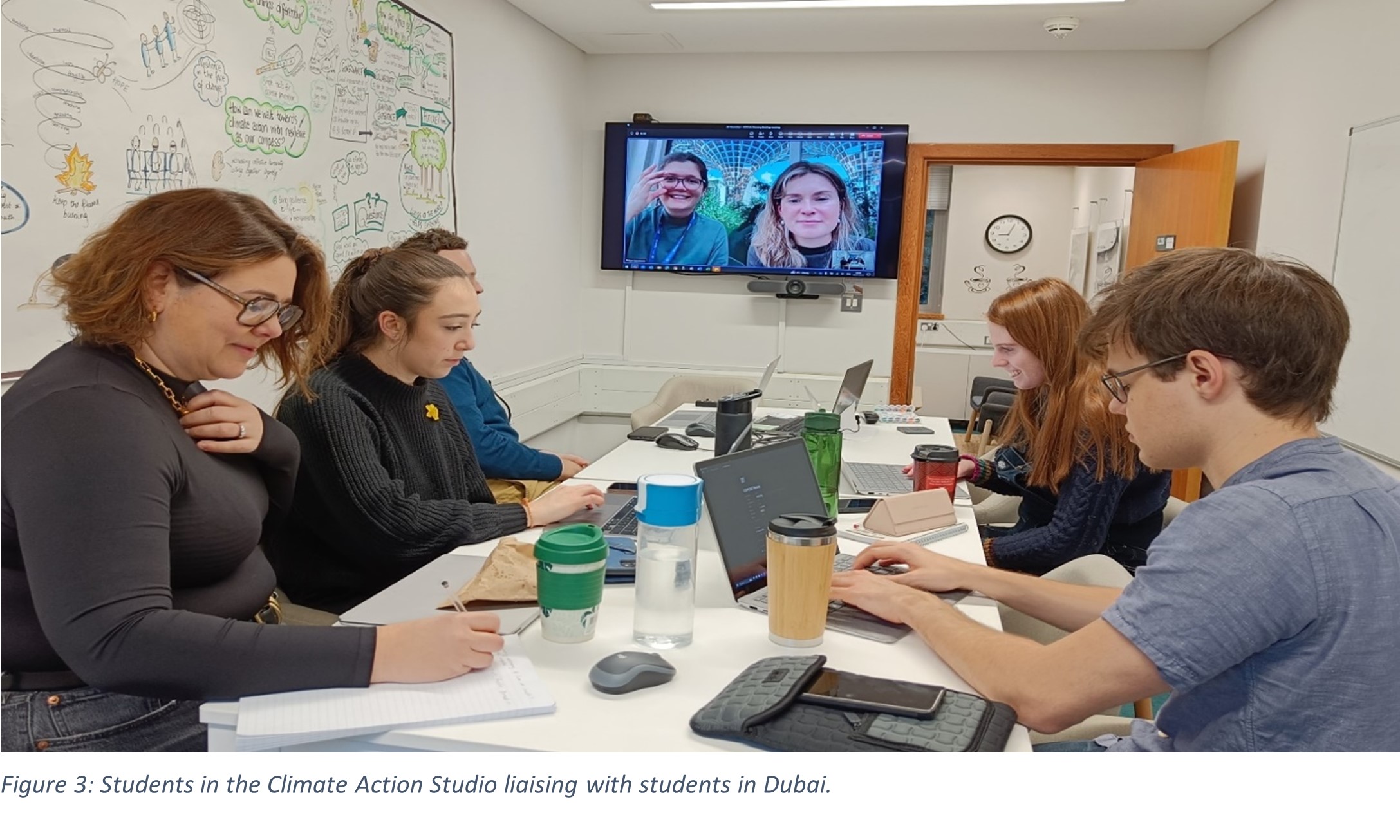
We, in The Pearl Academy, will be thrilled to welcome our new cohort of COPCAS® 2026 to our COP Climate Action Studio programme which will be hosted live again this year! During the UNFCCC conference students will engaged remotely with COP31, watching sessions, conducting interviews, and discussing the issues they encounter. They will also be encouraged to relate COP31 to their research topics and translate and communicate COP31 developments to different audiences. They will be engaged with social media, write blogs and produced videos for The Pearl communication platforms and other media outlets. Make sure you look out for blogs and other outputs from COPCAS® that might help you make sense of COP31 developments posted on the The Pearl’s website.
COP31 Action Agenda priorities
Under the Action pillar, the Presidency will focus on accelerating implementation through the following priority areas:
- Strengthening zero‑waste and circular economy approaches
- Accelerating the clean energy transition
- Supporting green and low‑carbon industrialisation
- Increasing the resilience of vulnerable regions, oceans, and seas
- Supporting food security and sustainable agricultural systems
- Promoting climate‑resilient and sustainable cities
- Strengthening financial and institutional mechanisms for climate action
- Increasing the active participation of youth
- Promoting cross‑sectoral action addressing climate change, biodiversity loss, and land degradation
Together, these priorities reflect a holistic agenda encompassing resource efficiency, energy security, renewable energy, nature‑based solutions, sustainable water use, disaster‑resilient infrastructure, local climate action, and strong multi‑stakeholder partnerships.
Useful Updates and Information on SB 64 and COP31
Bonn Climate Change Conference, 8-18 June 2026
Climate diplomats from around the world gathered in Bonn, Germany this June to discuss global efforts to cut emissions and the outcomes of the first GST. More information.
Useful links:
- Observer Handbook for SB 64 – a reference for logistics, access, and participation in SB 64.
- Information for SB 64 Participants – essential logistical information, including services and on-site arrangements.
- Logistics, Security, and Code of Conduct Webinar: Tuesday, 26 May, 15:00 – 16:30 CEST: Access via MS Teams: https://teams.microsoft.com/meet/390331440840490?p=xhj3lRddtHNle1jG7j
- Navigating the UNFCCC Process as an Observer Webinar: Thursday, 28 May, 15:00 – 16:30 CEST: Access via MS Teams: https://teams.microsoft.com/meet/357445330180751?p=AUEfn1l8jMDDpqzxzK
COP31 Global Stocktake (GST)
The Global Stocktake (GST) is the Paris Agreement’s 5-year mechanism for assessing collective global progress on climate action. Why it is crucial for COP31:
- bridging the ambition gap
- transitioning to implementation
- tracking climate finance
- setting the stage for GST 2
COP31 President‑Designate’s letters
Letters sent by the COP31 President-Designate Murat Kurum, current Minister of Environment, Urbanization, and Climate Change, announcing the COP31 Presidency Action Agenda priorities.
Santa Marta, Colombia, 24-29 April 2026
Read Carbon Brief’s analysis of the landmark Santa Marta summit, where countries representing one-third of the global economy discussed concrete steps to move away from fossil fuels and tackle harmful subsidies.
Belem Mission to 1.5_Bonn event
The Belém Mission to 1.5 consultation event, held during the June 2026 UN climate meetings in Bonn, brings together stakeholders to discuss how to accelerate the ambition and implementation of national climate plans (NDCs and NAPs). The insights gathered will inform a report ahead of COP31, identifying key actions, partnerships, and investments needed to keep the 1.5°C goal within reach.