
Strengthening Climate Resilience for Stability and Peace in Akkar, Lebanon
Countries / Regions
Lebanon
Partners
The Pearl, University of Reading; The Lebanon Reforestation Initiative (LRI)
Funders
United Nations Environment Programme (UNEP), with funds from the European Union (EU) as part of the EU-UNEP Climate Change, Environment and Security Partnership, Phase 2
Timescale
Project Team
Prof. Rosalind Cornforth, (PI); Dr Celia Petty; Dr Heidi Llanwanre; Stella Ngoleka; Fernanda Pino Delgado; Maya Nehme, LRI; Karma Bouazza, LRI; Eliane Charbel, LRI; Dr. Zarina Saidaliyeva
Background
Northern Lebanon is facing growing pressure from climate change, environmental degradation and economic fragility. Rising temperatures, increasingly erratic rainfall and more frequent droughts and wildfires are undermining agriculture, forestry and water availability in an area where livelihoods are already precarious. These environmental stresses intersect with high poverty levels, limited public services and the impacts of decades of both domestic and regional conflict, including migration, which are intensifying risks for people and ecosystems alike.
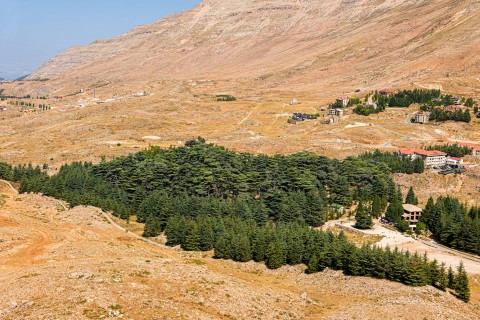
This area is characterised by diverse landscapes, from agricultural lowlands to forested uplands, and by communities whose livelihoods are closely tied to natural resources. As climate variability increases, farmers, shepherds and forest‑dependent households are experiencing shorter and less predictable rainy seasons, declining spring flows, soil erosion and loss of vegetation cover. These changes threaten food security, income stability and the long‑term sustainability of local ecosystems.
In response, The Pearl at the University of Reading partnered with the Lebanon Reforestation Initiative (LRI) to support a locally grounded, evidence‑based approach to climate adaptation in Norther Lebanon. The project focuses on strengthening the resilience of agricultural systems and rural livelihoods, while recognising the importance of local knowledge, inclusive participation, equitable benefit-sharing and cooperation across communities.
Our Research
The project’s first phase combined rigorous climate analysis with participatory, community‑led enquiry to understand how climate change is unfolding in Akkar and what this means for livelihoods and ecosystems.
The Pearl led detailed analysis of observed and near‑term projected climate trends, drawing on high‑resolution reanalysis data and downscaling climate models at a local level for better understanding ‘what’s my climate risk’. This work showed clear warming across northern Lebanon, longer and hotter summers, and increased rainfall variability rather than consistent changes in annual totals. These patterns contribute to explaining growing pressures on water resources, soils, forests and agricultural production, amongst other drivers, in a fragile region affected by different layers of conflict.
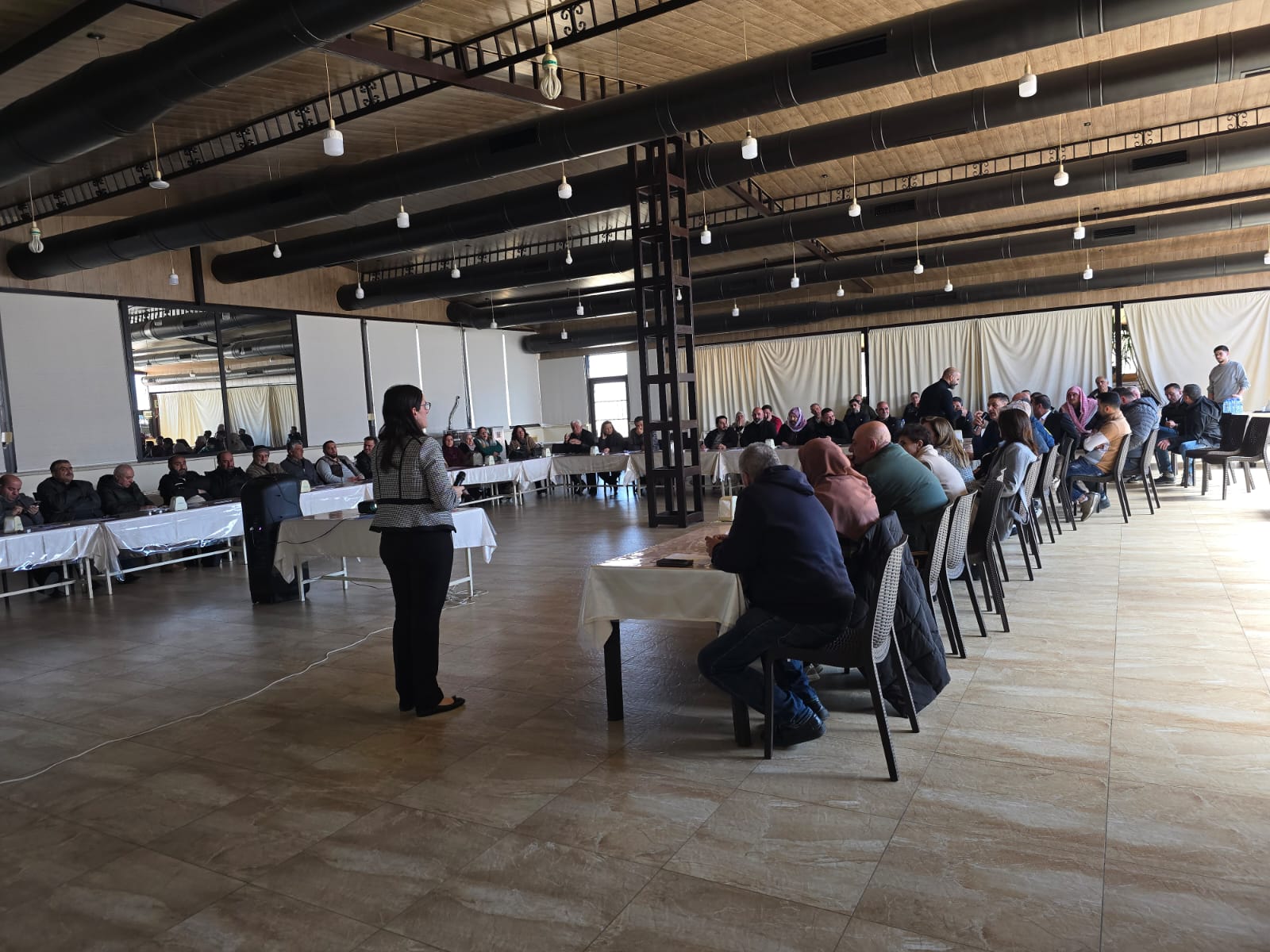
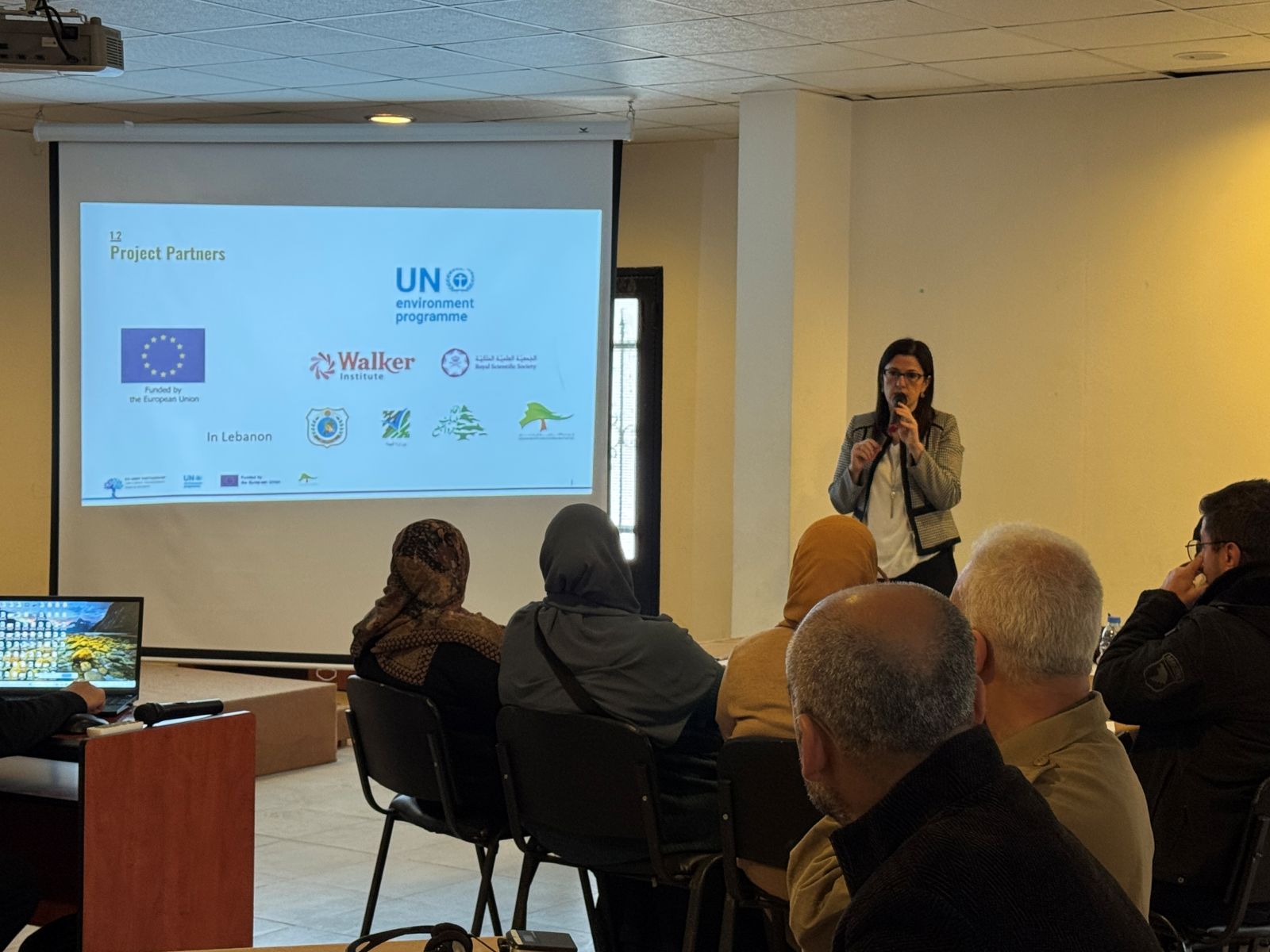
Scientific analysis was paired with extensive community engagement led by LRI across seven local municipalities. Through focus groups, interviews and participatory workshops, farmers, shepherds, women’s groups, municipal representatives and local organisations shared their experiences of climate change, identified priorities and helped interpret scientific evidence in the light of local realities.
A livelihood‑zone approach was used to link climate risks to how people actually live and work in the area, recognising differences between agricultural lowlands, upland forest and rangeland areas, mixed rural‑urban zones and peri‑urban settlements. This spatial lens enabled communities and researchers to explore where risks are concentrated, and which adaptation options are most appropriate in different places.
Together, The Pearl and LRI developed climate‑livelihood storylines that translate complex climate data into plausible, near‑term narratives of change. These storylines provided a practical way to stress‑test local adaptation options under different future conditions and to identify measures that are robust across a range of possible climate outcomes.
Our Research
The project’s first phase combined rigorous climate analysis with participatory, community‑led enquiry to understand how climate change is unfolding in Akkar and what this means for livelihoods and ecosystems.
The Pearl led detailed analysis of observed and near‑term projected climate trends, drawing on high‑resolution reanalysis data and downscaling climate models at a local level for better understanding ‘what’s my climate risk’. This work showed clear warming across northern Lebanon, longer and hotter summers, and increased rainfall variability rather than consistent changes in annual totals. These patterns contribute to explaining growing pressures on water resources, soils, forests and agricultural production, amongst other drivers, in a fragile region affected by different layers of conflict.
Scientific analysis was paired with extensive community engagement led by LRI across seven local municipalities. Through focus groups, interviews and participatory workshops, farmers, shepherds, women’s groups, municipal representatives and local organisations shared their experiences of climate change, identified priorities and helped interpret scientific evidence in the light of local realities.
A livelihood‑zone approach was used to link climate risks to how people actually live and work in the area, recognising differences between agricultural lowlands, upland forest and rangeland areas, mixed rural‑urban zones and peri‑urban settlements. This spatial lens enabled communities and researchers to explore where risks are concentrated, and which adaptation options are most appropriate in different places.
Together, The Pearl and LRI developed climate‑livelihood storylines that translate complex climate data into plausible, near‑term narratives of change. These storylines provided a practical way to stress‑test local adaptation options under different future conditions and to identify measures that are robust across a range of possible climate outcomes.
Our Impact
The findings from Pearl’s research and storylines underpin the local adaptation strategy we have been developing for the agricultural sector in the union of municipalities the project is supporting in Akkar. The local adaptation strategy is aligned to – and operationalizes at local level – the Lebanon NAP.
Communities have identified and prioritised a portfolio of feasible adaptation measures focused on water management and agricultural resilience. The measures that are being implemented focus on improving equitable access to (clean) water and adapting agricultural practices to a changing climate. These options were assessed not only for technical feasibility, but also for inclusiveness, long‑term sustainability and their potential to strengthen cooperation between communities.
By placing local experience at the centre of the process, the project built trust in how decisions were made and ensured that women, smallholders and marginalised groups were able to contribute to shaping solutions. Existing municipal networks and community organisations were identified as key assets for implementation, reinforcing local ownership of the adaptation agenda.
Methodologically, the project demonstrates how climate science, participatory research and livelihood analysis can be integrated within short timeframes in fragile settings. The approaches developed in Northern Lebanon provide a model for scaling up evidence‑based, people‑centred adaptation across Lebanon and in other contexts where climate risk, environmental degradation, social vulnerability and regional conflict intersect.
Most importantly, the work has laid the groundwork for moving from analysis to action. The evidence, partnerships and locally defined priorities generated through this collaboration now support the next phase of implementation, helping communities in Akkar strengthen their resilience to climate change while protecting the natural systems on which their livelihoods depend.