Strengthening AGRHYMET’s Training Program – Phase 1 & 2
Countries / Regions
West Africa
Funders
World Bank
Timescale
Project Team
Prof. Rosalind Cornforth (PI), Dr Celia Petty, Dai Clegg, David Phizacklea, Prof. Abdou Ali, Prof. Sanoussi Atta, Prof. Amadou Thierno Gaye
Background
The Strengthening of AGRHYMET’s Training Programme (Phase 1 and Phase 2), delivered by the Walker Institute in partnership with AGRHYMET, laid the foundation for a transformational upgrade to AGRHYMET’s academic and training offer. These phases centred on establishing a Common Core Curriculum (C3) and developing a Core Curriculum Development Team (C3DT), a collaborative, interdisciplinary team responsible for embedding high-quality, climate‑responsive teaching across AGRHYMET’s Diploma and Masters programmes.
The C3 curriculum focuses on foundational climate change knowledge, systems thinking, co‑production, food security, livelihood resilience, and sustainable development. Its design is aligned with the World Bank’s Food Security and Resilience Programme (FSRP) and informed by the WCRP ‘My Climate Risk’ bottom-up approach shared by both AGRHYMET and the Walker Institute as regional hubs.
Phases 1 and 2 also introduced the Impact Assessment Methodology (IAM), a systematic approach to track training quality, student progress, and institutional improvements to ensure AGRHYMET strengthens excellence in climate-related education well into the future.
Our Research
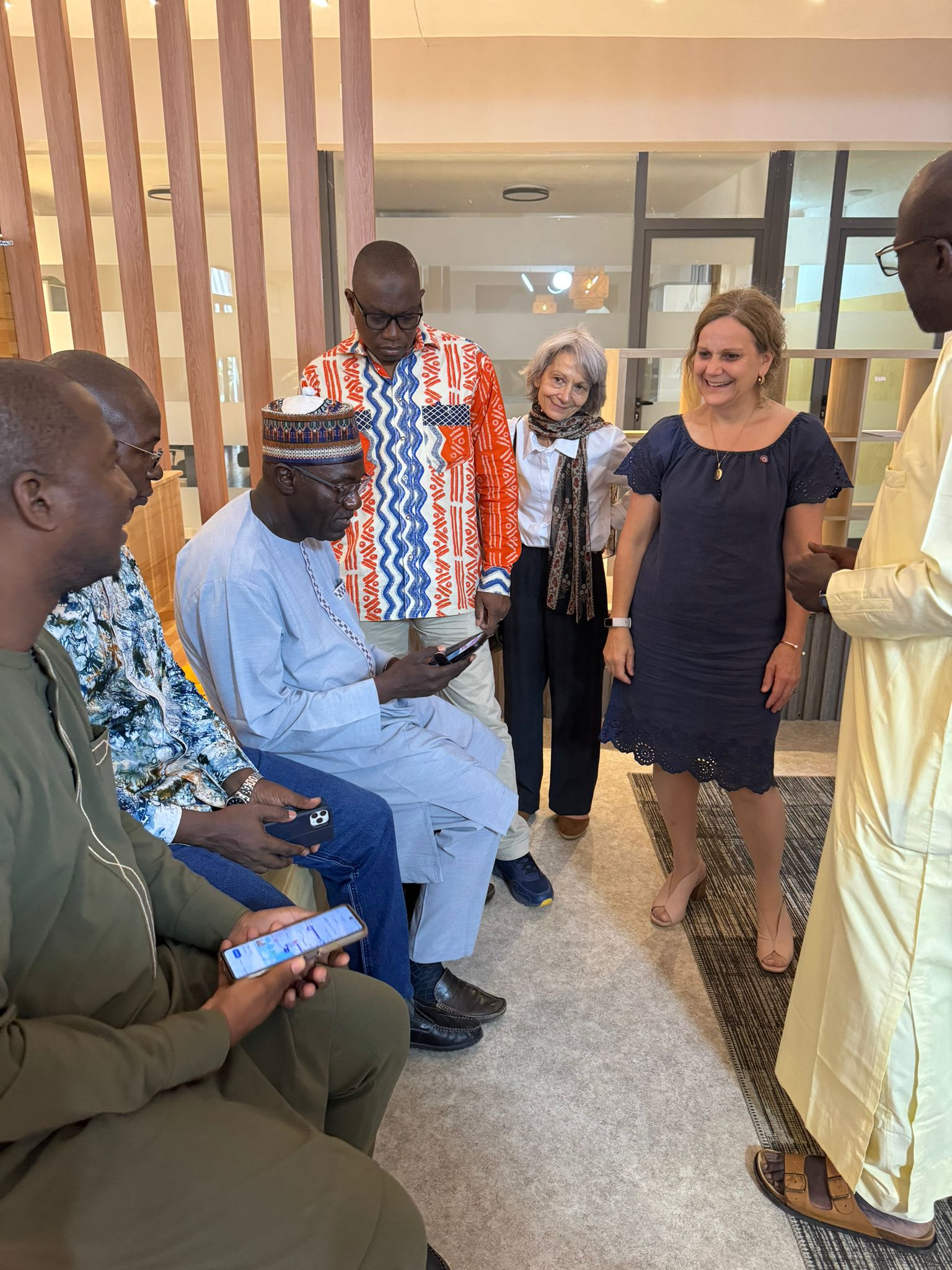
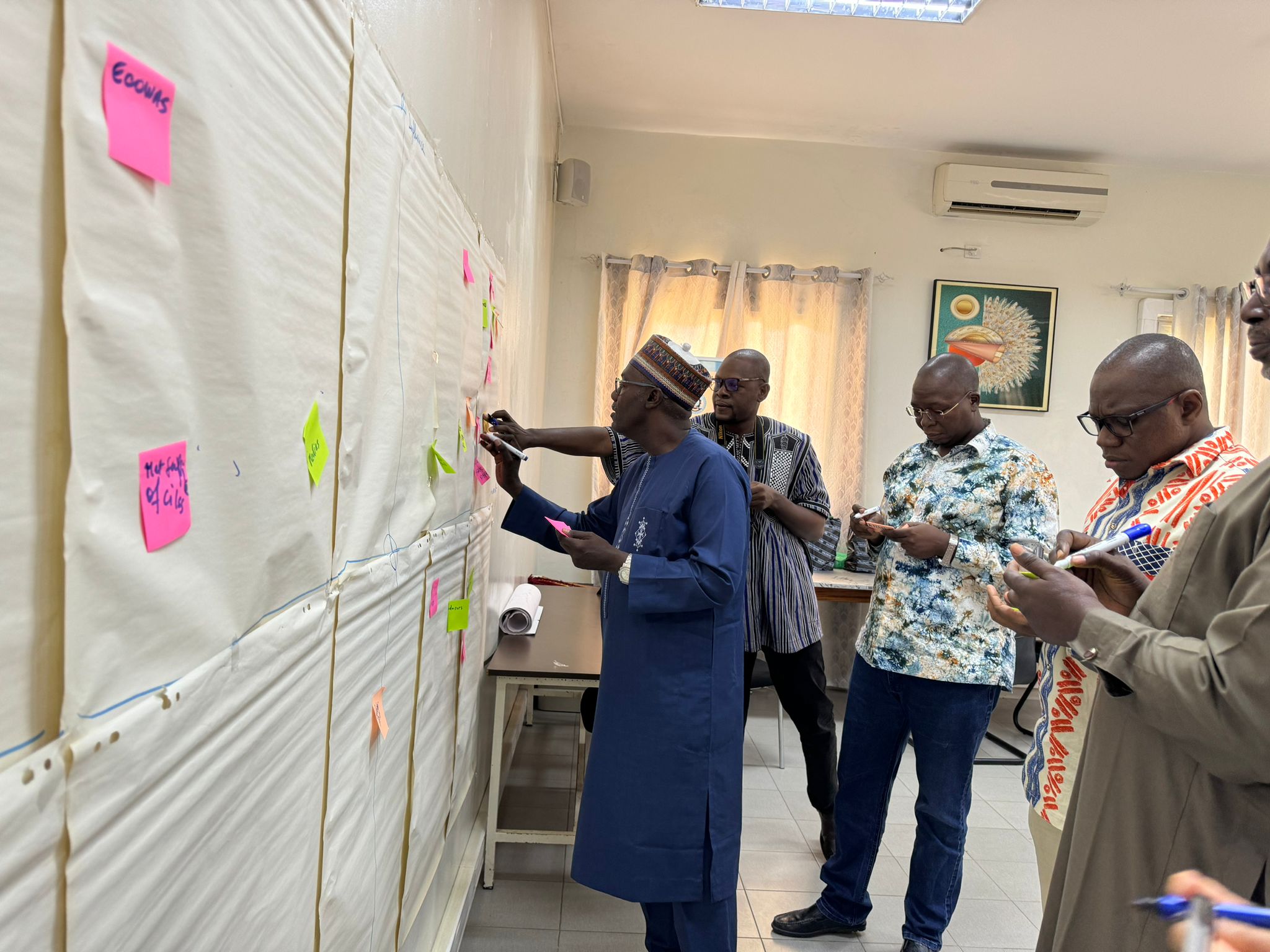
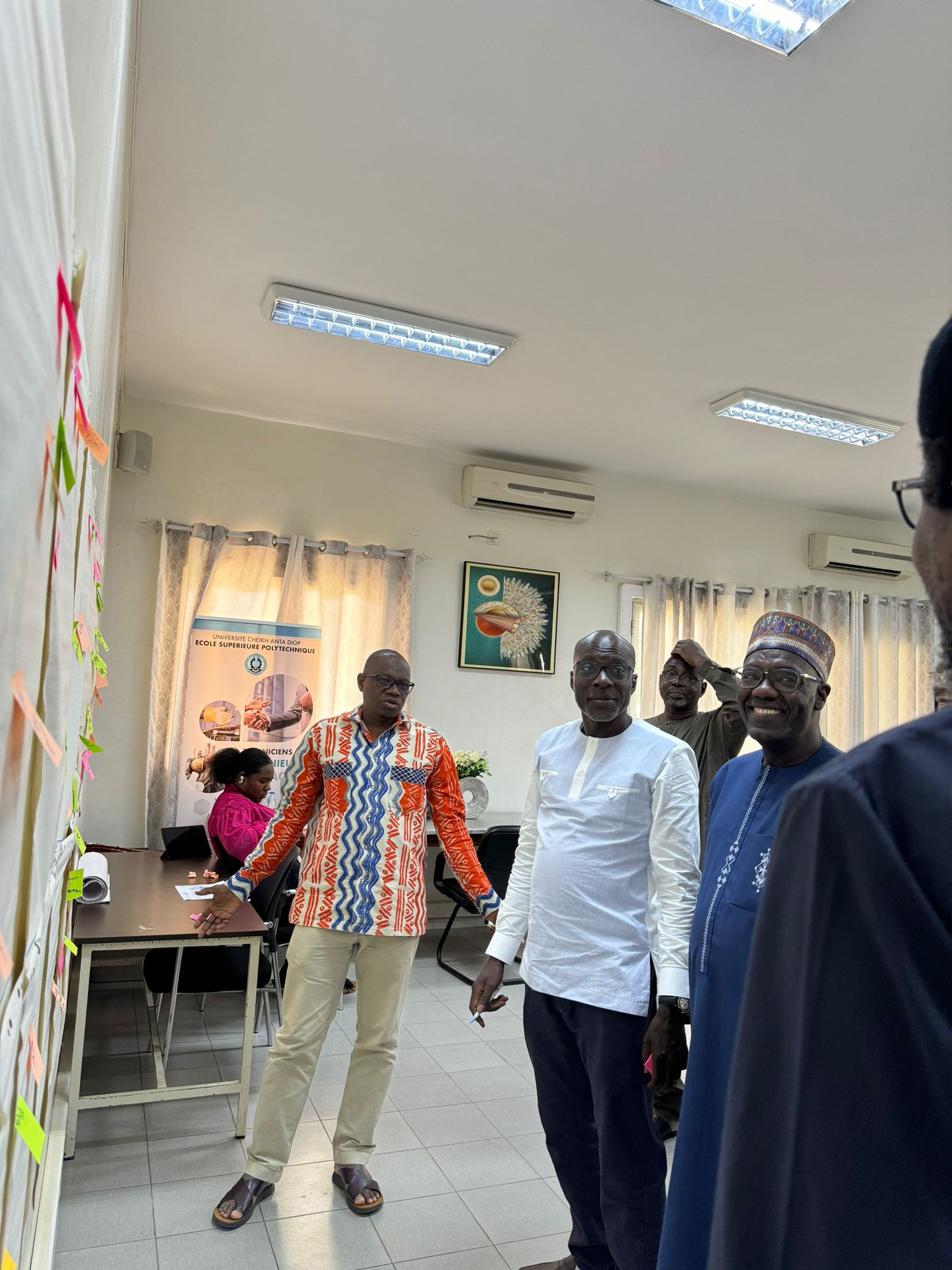
Across Phases 1 and 2, the Walker Institute collaborated closely with AGRHYMET to co‑develop a new Core Common Curriculum (C3) consisting of three modules: foundational climate and sustainable development knowledge, evidence synthesis and data integration, and learning to co‑produce climate‑relevant insights. These modules were designed to integrate seamlessly into AGRHYMET’s academic programmes and provide both structured teaching and self‑study. A major element of this work was the Training of Trainers (ToT), including an intensive workshop in Dakar where AGRHYMET lecturers engaged in practical activities, reviewed materials, and finalised the curriculum to ensure it aligned with regional needs and AGRHYMET’s teaching structure.
During these phases, the team also developed and began operationalising AGRHYMET’s Impact Assessment Methodology (IAM), a comprehensive system for monitoring training effectiveness and student progression. This included creating an IAM portal, updated training manuals, technical guidance, and a suite of questionnaires for trainers, students, and assessors. A dedicated IAM workshop in Dakar introduced the methodology, refined its metrics, and confirmed operational procedures. Together, these activities established a robust framework for improving teaching quality, strengthening institutional capacity, and ensuring long‑term accountability across AGRHYMET’s training programmes.
Our Research
Across Phases 1 and 2, the Walker Institute collaborated closely with AGRHYMET to co‑develop a new Core Common Curriculum (C3) consisting of three modules: foundational climate and sustainable development knowledge, evidence synthesis and data integration, and learning to co‑produce climate‑relevant insights. These modules were designed to integrate seamlessly into AGRHYMET’s academic programmes and provide both structured teaching and self‑study. A major element of this work was the Training of Trainers (ToT), including an intensive workshop in Dakar where AGRHYMET lecturers engaged in practical activities, reviewed materials, and finalised the curriculum to ensure it aligned with regional needs and AGRHYMET’s teaching structure.
During these phases, the team also developed and began operationalising AGRHYMET’s Impact Assessment Methodology (IAM), a comprehensive system for monitoring training effectiveness and student progression. This included creating an IAM portal, updated training manuals, technical guidance, and a suite of questionnaires for trainers, students, and assessors. A dedicated IAM workshop in Dakar introduced the methodology, refined its metrics, and confirmed operational procedures. Together, these activities established a robust framework for improving teaching quality, strengthening institutional capacity, and ensuring long‑term accountability across AGRHYMET’s training programmes.
Our Impact
Phases 1 and 2 significantly strengthened AGRHYMET’s institutional training capacity by establishing a fully co‑developed Common Core Curriculum Course equipping lecturers to deliver climate‑focused, systems‑based, and co‑produced teaching. These phases improved the integration of physical and social sciences across AGRHYMET’s programmes and embedded a consistent, regionally relevant foundation for all Diploma and Masters students.
At the same time, the introduction of the Impact Assessment Methodology (IAM) created a robust system for monitoring student learning, identifying programme gaps, guiding investment decisions, and ensuring alignment with World Bank FSRP objectives. Together, this work laid the essential groundwork for Phase 3, enabling expanded curriculum implementation, deeper IAM operationalisation, and the continued growth of a skilled regional network of climate and resilience practitioners, reinforcing the strong AGRHYMET – Walker Institute partnership and its commitment to climate‑resilient futures in West Africa.