
COPCAS 2025 - COP30
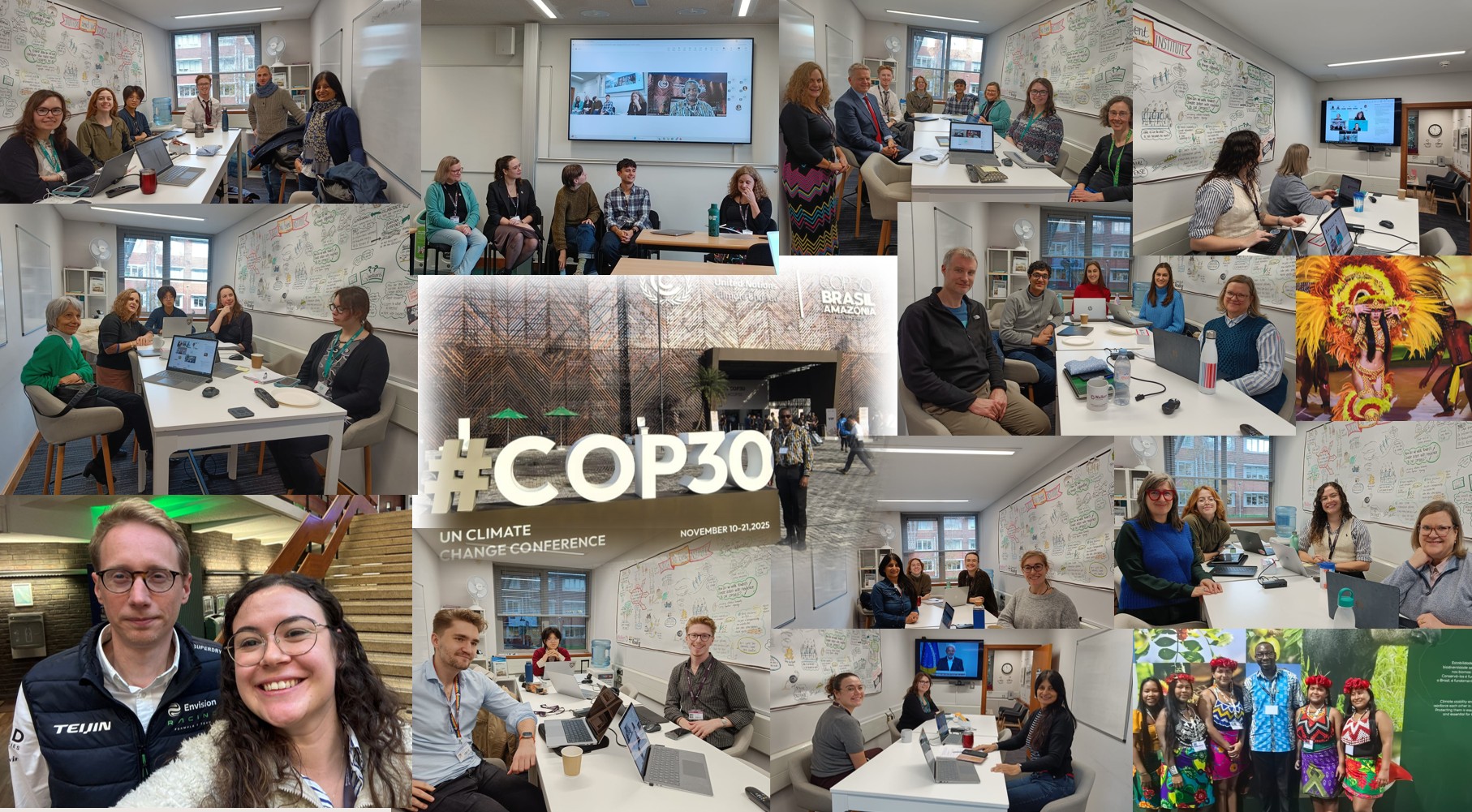
COP Climate Action Studio 2025 took place during COP30, from 10–21 November 2025, hosted in Belém, Brazil.
We, in The Pearl, were delighted to run the COP Climate Action Studio (COPCAS) in a fully virtual format.
This year’s virtual COPCAS included:
- Daily live updates from academics and Pearl Associates attending COP30 in Brazil
- Interactive sessions with researchers and policy experts from across the University of Reading
- Opportunities to develop communication and engagement skills in a dynamic, supportive environment
You can read about the Pearl Research Group engagment with COP30 here.
COPCAS 2025 Schedule

Pre-COP Workshop 1
Wed 29 Oct 2025, 13:30-16:30
Introduction to the history and structure of the UNFCCC and the key negotiating groups involved in the COP process; receive practical guidance on article/blog writing and interview techniques to support student engagement with COP30 and the studio’s outputs.
Pre-COP Workshop 2
Wed 5 Nov 2025, 11:00 – 14:00
Strengthening students’ blog writing skills and exploring the thematic structure of COP30, while encouraging dialogue around research interests; introduction to the Climate Action Studio’s format and The Pearl’s Communication Protocol.
COP Climate Action Studio
11 Nov – 21 Nov 2025
Engaging with live conference content, collaborating via MS Teams with peers attending in Brazil, and developing stories based on research interests; writing blog posts, creating videos and podcasts, with support from The Pearl Team to enhance communication and policy engagement skills.

Wrap-up Workshop
Online via MS Teams, TBC
Reviewing what transpired during COP30 and evaluating participant engagement.
As in previous years, we ran a competition to select SCENARIO and FoodBioSystems students for in-person attendance at COP. However, after careful consideration and discussions with UoR DTP managers, we made the difficult decision not to send students to COP30 in Belém this year. This choice was driven by significant logistical and financial challenges, including extremely high accommodation costs, limited availability of essential conference access, and the uncertainty these factors create for students needing to plan research and travel well in advance.
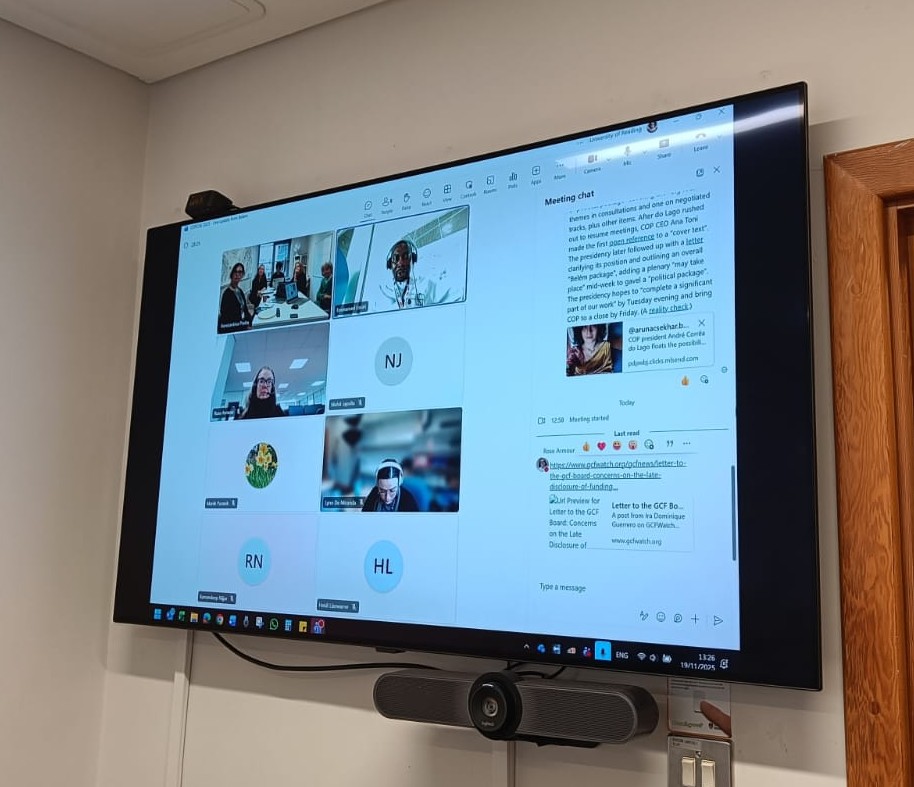
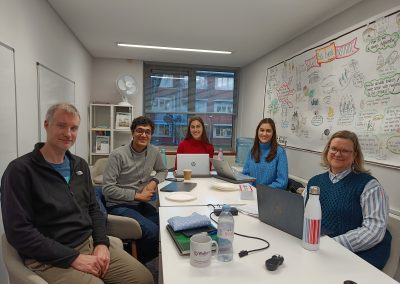
During COP30 itself, an updated, and dedicated space was made available for the COPCAS programme in The Pearl, with face-to-face support from one member of the Walker Team during each session. Every weekday during COP30, the Climate Action Studio was open from 10:00 am until 17:30 pm. Students from the Climate Action Studio connected with our delegate, Prof. Emmanuel Essah, Head of School for the Built Environment, attending COP30 in Brazil via MS Teams calls once a day. Prof. Essah provided updates on the issues arising every day and reported on sessions he attended as well as the general vibe of COP30.
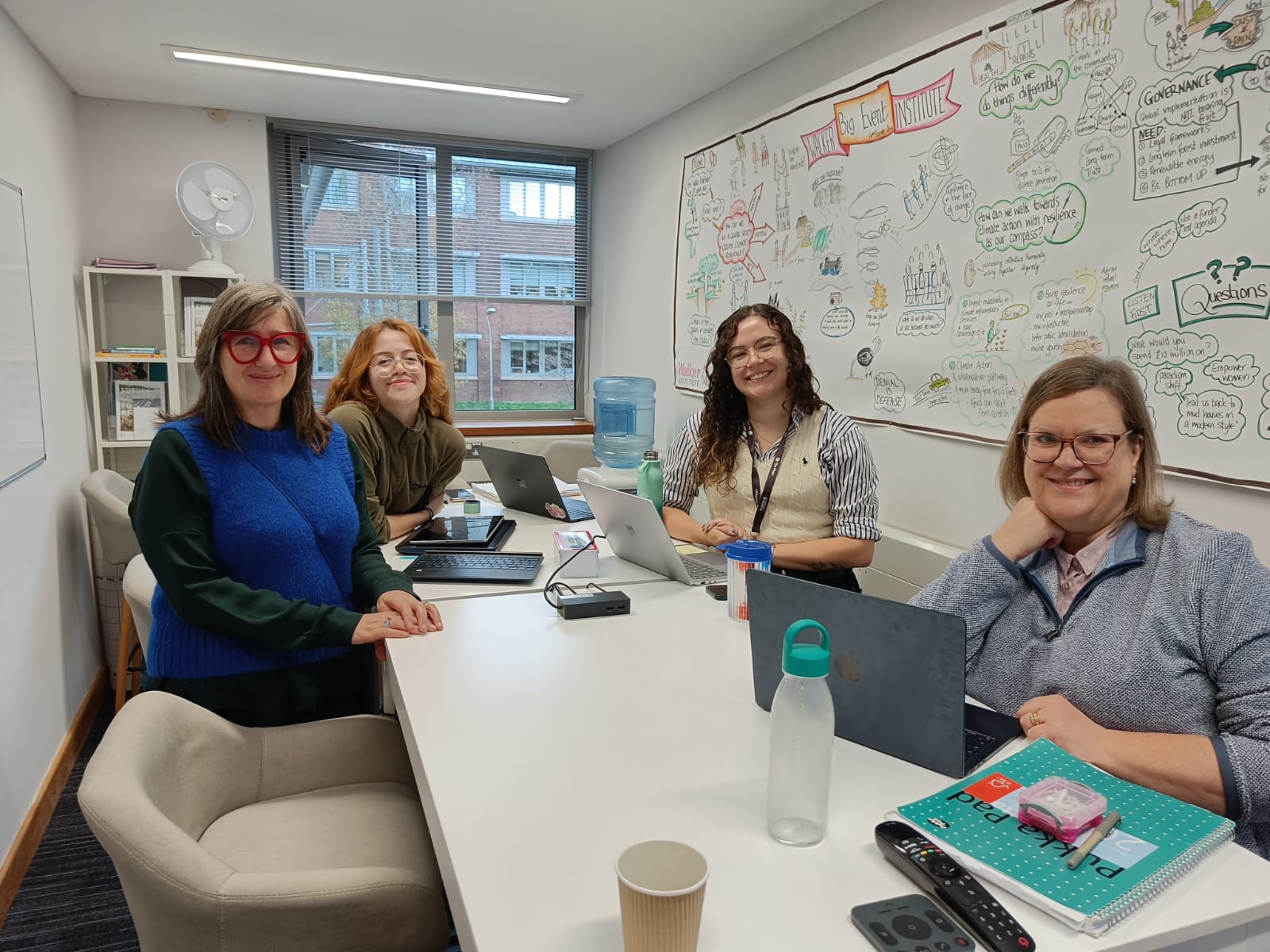
This year the COP Climate Action Studio was run again as a virtual Newsroom where students were encouraged to chase down leads and craft engaging stories around their research interest and the climate policy events unfolding at COP30. For this purpose The Pearl team created a virtual whiteboard / Mural Board which allowed students participating on different days to request specific content from our delegate on the ground at COP30, develop stories, and share outputs – both amongst themselves and with students not present on that specific day.
During the Climate Action Studio, the students in Reading engaged remotely with COP, watching sessions via the official COP30 platform, conducting interviews, and discussing the issues they encountered on the day. They were also encouraged to write blog articles for topics which interested them and/or related to their research. These blog posts were proof-read by The Pearl Team, and then posted on The Pearl Website, helping students develop their writing skills and improving their exposure. Students were also encouraged to create podcasts and short videos.
The UNFCCC streamed panel and side events. Additionally, in a separate area of their website, it was possible to watch plenary events, a range of ‘special events’ and press conferences. The streamed sessions remain available for a short amount of time on the website. There was also a dedicated YouTube channel which was easier to navigate. Some pavilion events were also streamed live and were accessible via YouTube or via their official webpage.
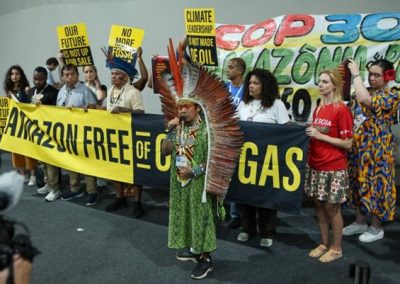
This year, the Indigenous peoples of the Amazon were at the centre of COP30 since the conference was hosted in Belém, in the heart of the Amazon region—a global biodiversity hotspot and a critical carbon sink. Their leadership and knowledge are essential for halting deforestation, safeguarding ecosystems, and ensuring a just transition that respects traditional communities. COP30 highlighted Indigenous voices as key stakeholders in climate negotiations, emphasizing equity, cultural heritage, and the role of local communities in implementing sustainable solutions.

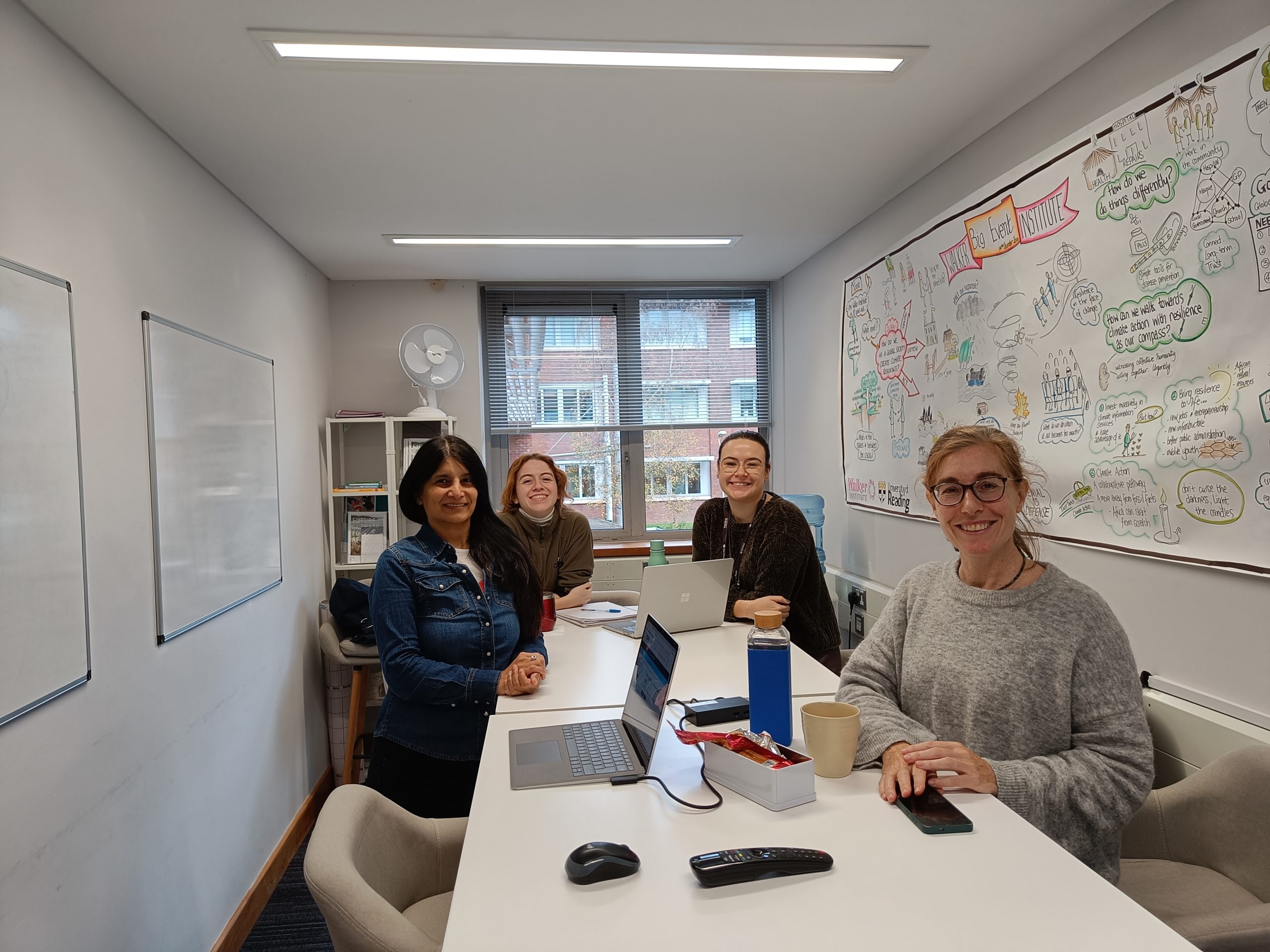
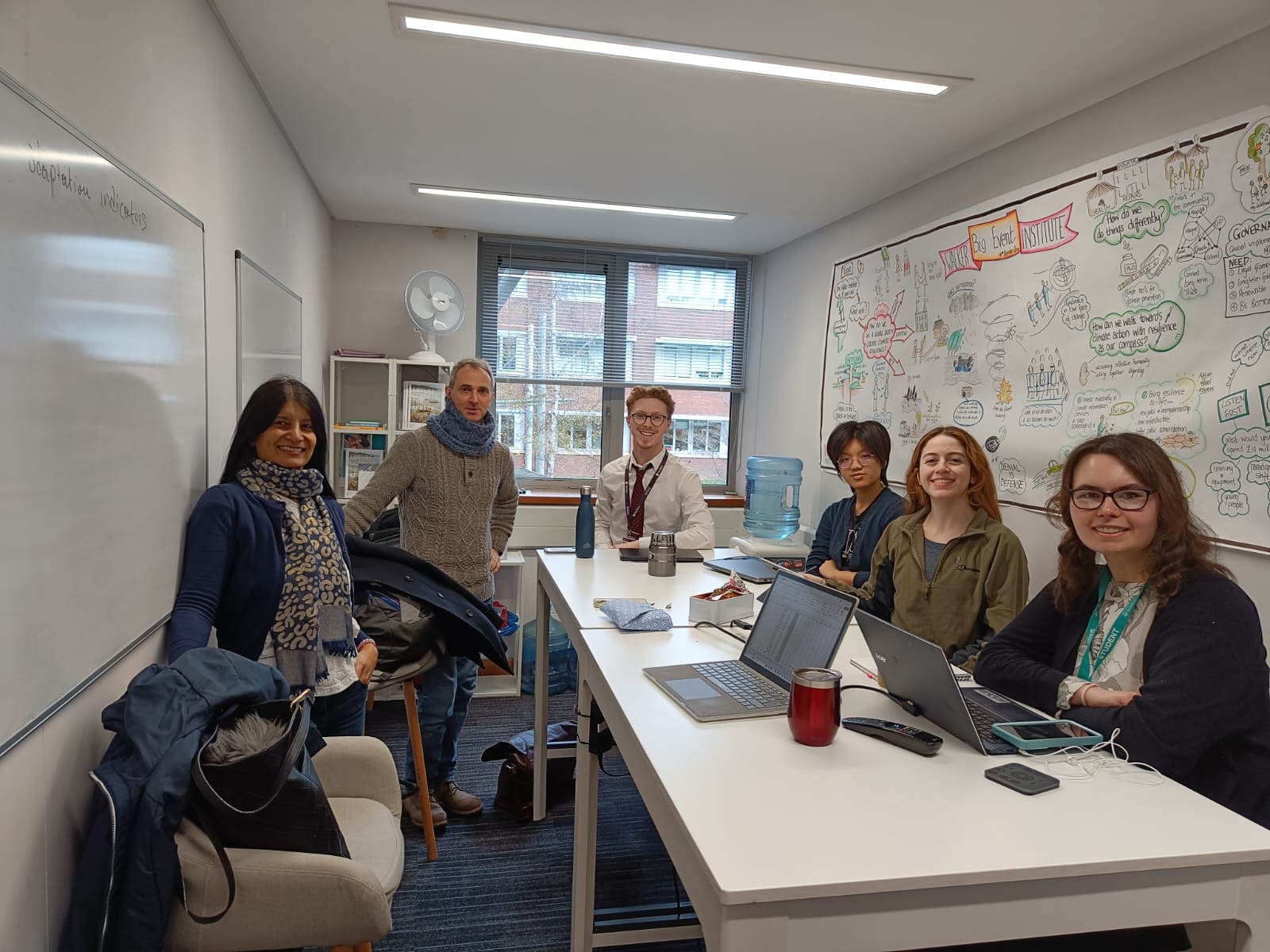
One of the most valuable aspects of the Climate Action Studio was the opportunity for students to engage with a wide range of academic visitors who joined us each day. These interactions were crucial in exposing students to diverse disciplines, sectors, perspectives, and ideas, while providing essential context for the issues underpinning their research. The mix of academics from different fields often sparked lively and thought-provoking discussions among the team. We are especially grateful to the University of Reading academics who generously dedicated their time to visit the Studio and share their expertise.
- Stefania Lovo (Department of Economics)
- Cristina Cerulli (Department of Architecture)
- Bernd Vogel (Henley Business School)
- Benoit Mayer (School of Law)
- Robert Van de Noort (Vice Chancellor)
- Irina Heim (Henley Business School)
- Alex Arnall (Department of International Development)
- Manuela Gonzales-Suarez (Department of Ecology and Evolutionary Biology)
- Amelia Hood (Department of Sustainable Land Management)
- Etienne Roesch (Department of Psychology)
- Christine Wissink (WSP)
COP Climate Action Studio Blogs
We will be posting all blogs students created in this dedicated section. The titles, authors, and links to the blogs are detailed below.
COP Climate Action Studio Podcasts
This year, our Media and Engagement Officer, Lynn De Miranda, inaugurated The Pearl Podcast Studio as part of the COP Climate Action Studio. This exciting addition gave students the opportunity to create and publish podcasts focused on their research or key themes from COP30, adding a dynamic new dimension to their communication skills and engagement with global climate issues.