
Written by Meena Jagait, Doctoral Researcher in the Department of Meteorology, University of Reading.
This article explores why Indigenous Leadership is central to effective climate solutions and examines what COP 30 signifies for strengthening their role. For decades, the Indigenous nations across the Amazon have been safeguarding the largest remaining tropical rainforest on Earth.
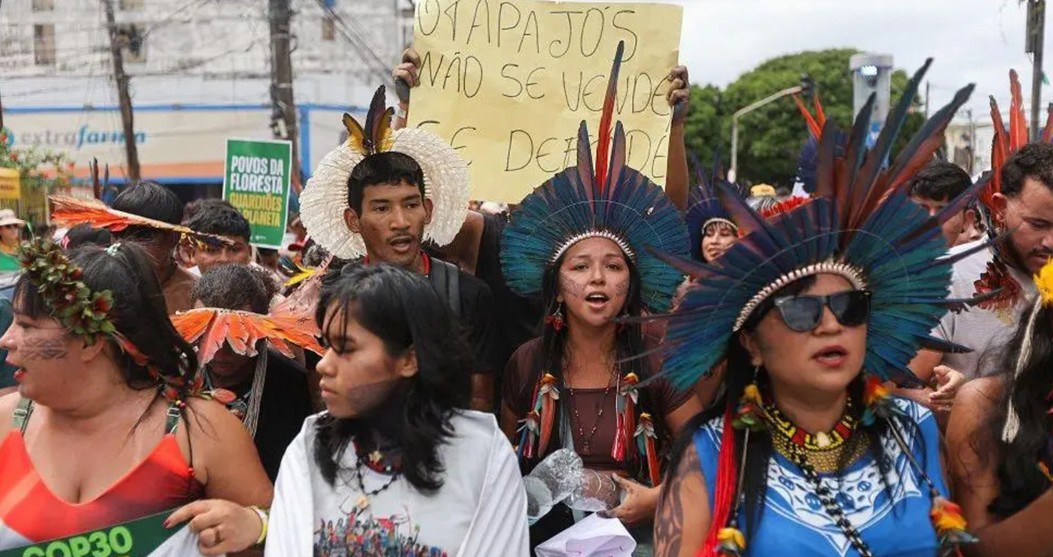
This year’s COP30, was hosted in Belém, within the Brazilian Amazon, and drew global attention to the issue.
The role of Indigenous people is central to any genuine climate solution. The shift towards this powerful truth stems from the future of climate stability that depends largely on Indigenous peoples being the guardians and gatekeepers for the land. Without Indigenous leadership, the world at large risks losing the forests, waters, and ecosystems that that play a critical role in the regulation of the planet’s climate. Protecting Indigenous land rights is directly linked to preventing deforestation, preserving biodiversity, and keeping critical carbon stores intact. According to an article by National Geographic, about 17% of the rain forest has been destroyed over the last 50 years and it is still on the increase.
Generational connections
The conference in Belém was an opportunity to bring Indigenous Amazonian voices from the margins to the centre of climate diplomacy. It is because of the many Indigenous leaders that this COP 30 could have been more than another round of negations. It gave Indigenous communities the opportunity to speak about the living systems they protect everyday, a responsibility that has been passed down from each generation to the next. This legacy and ownership of the land and the wisdom they possess can shape adaptation solutions and reinforce the belief that we can change the outcome of the future. For the Indigenous people this wisdom involves a reciprocity with lands and water, safeguarding heritage, collective decision making, preservation of languages and studying the past.
Ancestral wisdom
We can learn a lot about how the Amazon Indigenous communities maintain and defend nearly half of the rainforest. Their territories consistently show lower deforestation rates, higher biodiversity, and healthier ecosystems than the stated protected areas (Sze et al., 2022). This is due to their stewardship that is rooted in millennia of ecological knowledge, sustainable land use practices, with deeply traditional and spiritual relationships with the forest. When Indigenous leaders say the forest is alive, they mean it literally. The forest is an interconnected ecosystem species, rivers, soils, and spiritual elements that must be respected rather than exploited. Protecting this land also safeguards cultural heritage, languages and the reciprocal relationship between waters and the land.
The Core Demands at COP 30
At COP30, the Indigenous leaders have brought forward essential requirements that highlight the magnitude of Indigenous rights, territories and knowledge practices in global climate action. These are the core demands:
- First and foremost are the territorial protection and recognition of Indigenous land rights. These lands serve as ecological buffers, safeguarding biodiversity, carbon-rich forests, and cultural heritage. Land invasions, illegal mining, and agribusiness expansion continue to endanger Indigenous communities and their forests.
- Secondly, climate finance access to Indigenous People to lead solutions. Despite their proven effectiveness, Indigenous communities receive less global climate funding. At COP30, Amazonian leaders aim to shift this imbalance by demanding direct financing not filtered through governments or large NGOs for land monitoring, renewable energy projects, cultural preservation, and community resilience initiatives.
- Thirdly, meaningful participation in decision making. The Indigenous people demand to be moved to the centre for all decision-making protocols, guaranteed negotiation access and be involved in all implementations of climate policies; therefore, formalising Indigenous peoples as an equal pillar of climate solutions.
Hosting COP30 in the Amazon symbolises a global recognition that climate negotiations cannot be detached from those who protect Earth’s most critical ecosystems. If the world is serious about keeping global warming below 1.5°C, then Indigenous leadership must move from the side lines to the centre stage not as a symbolic gesture, but as the guiding force of climate action. At the heart of the matter lies one simple truth: the Amazon will not survive without its Indigenous peoples, and neither will we.
More importantly for the next generations to come, our ability to thrive will depend on how boldly we choose to protect their knowledge, their sovereignty, and the living systems they have safeguarded for millennia.
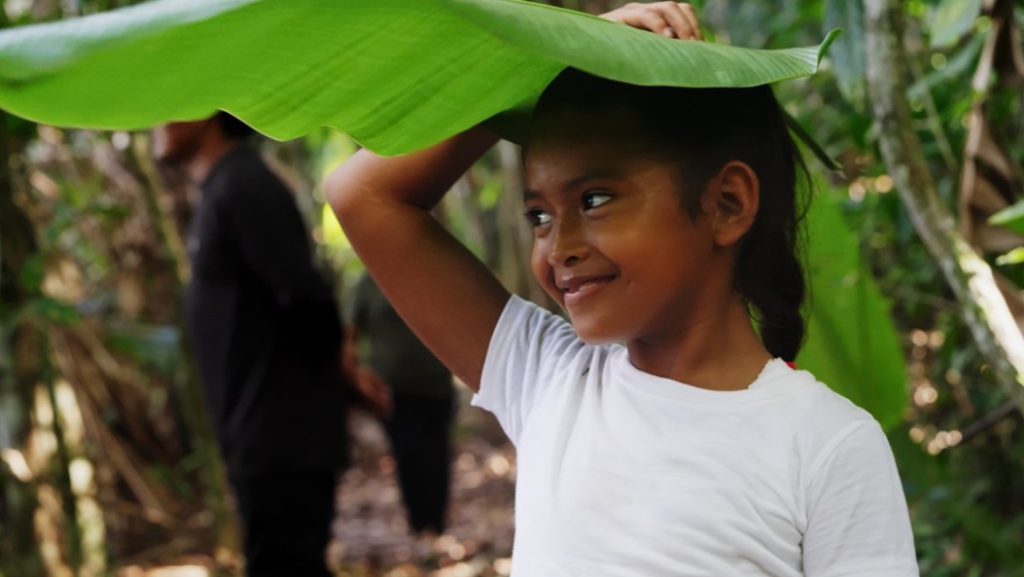
Makushi Amerindian people in Iwokrama-Photo Credit The Commonwealth
Indigenous lands in protected areas have high forest integrity across the tropics – ScienceDirect
We, Indigenous Peoples, are the Protectors of Biodiversity – Forest Declaration Assessment
Indigenous People Take the Stage at COP30 Climate Talks in Belém, Brazil – The New York Times
COP30 Belém | WECAN International
How Indigenous Peoples Will Drive Progress at COP30 by Sonia Guajajara – Project Syndicate
Everything you need to know about deforestation | National Geographic
COP30: Thousands march outside COP30 summit in call for action – BBC News